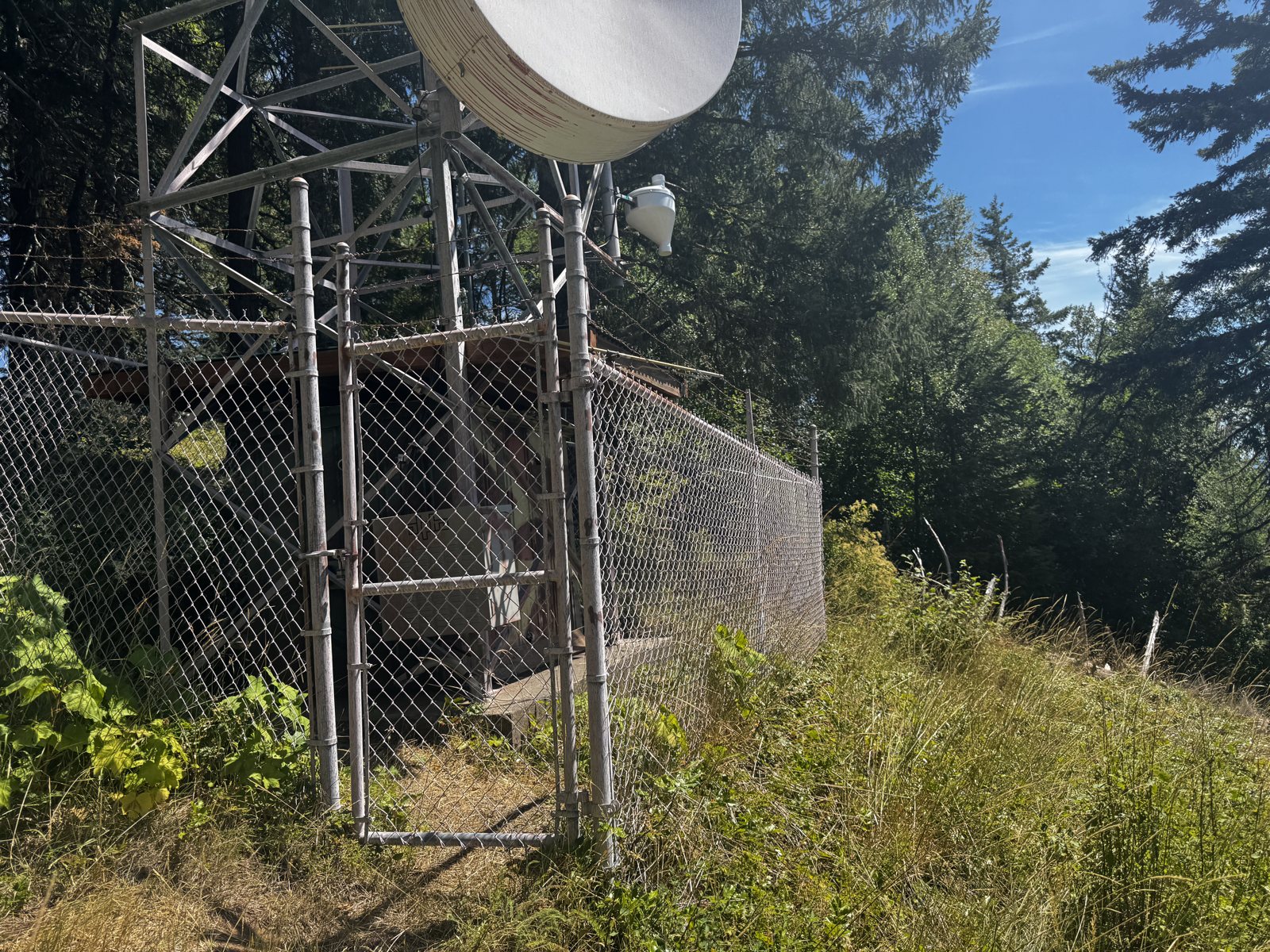
Dead Mountain Tower Site
Near Westfir: survey, site design, land use and Forest Service coordination for a new 100-foot tower beside an existing compound on Dead Mountain.

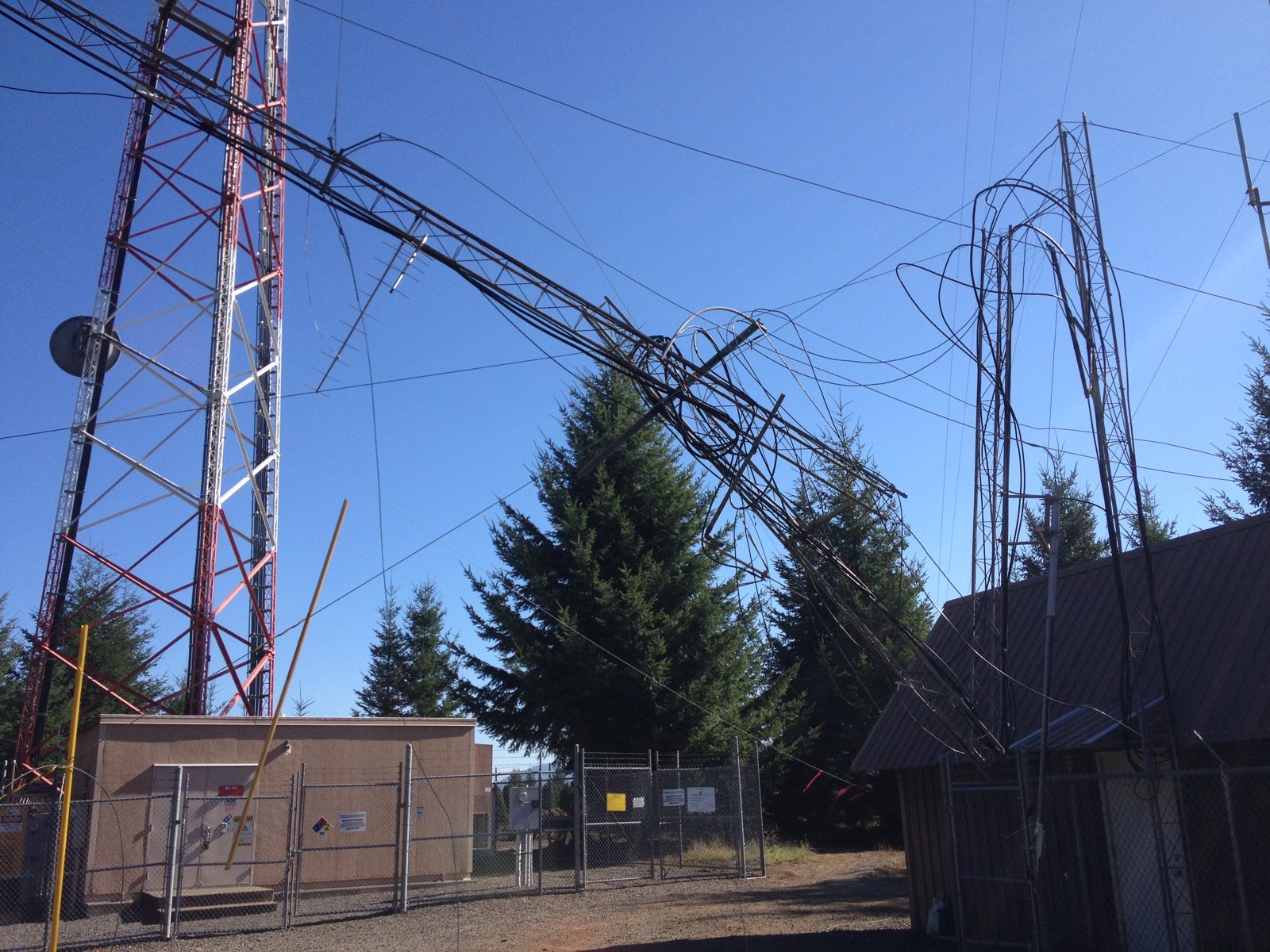
On the evening of October 16, 2013, a boom lift working elsewhere on a shared telecom site on McCully Mountain struck the guy wires of a 120-foot guyed tower. The tower’s legs buckled and it collapsed into the guy wires of the 148-foot guyed tower beside it. By morning the taller tower was still standing, but it was kinked and out of plumb, with the upper sections of the failed tower hanging in its guys.
The site also holds other carriers’ towers and equipment buildings, a propane tank and a generator, so whatever happened next had to be safe for crews and for everything around it.
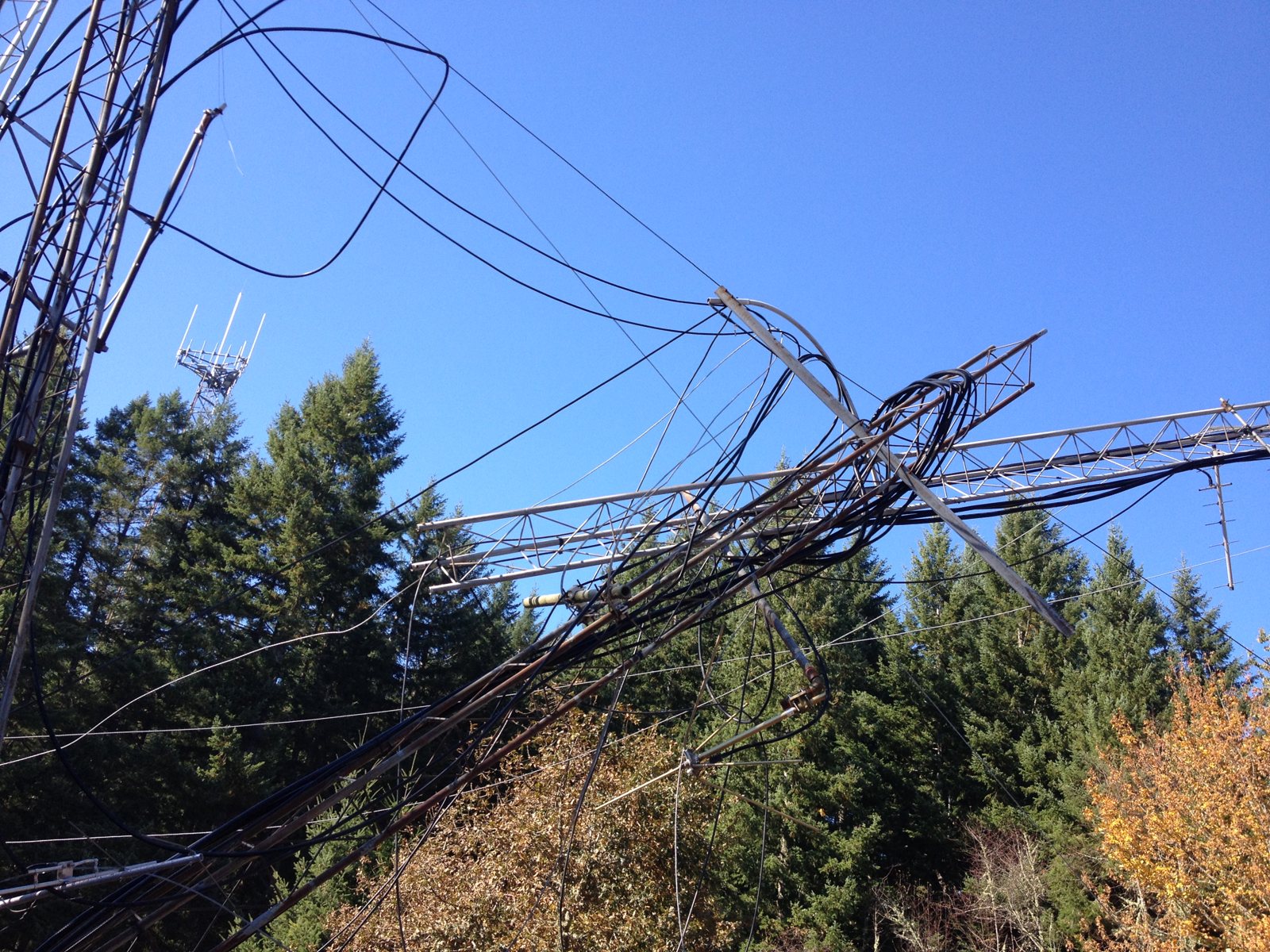
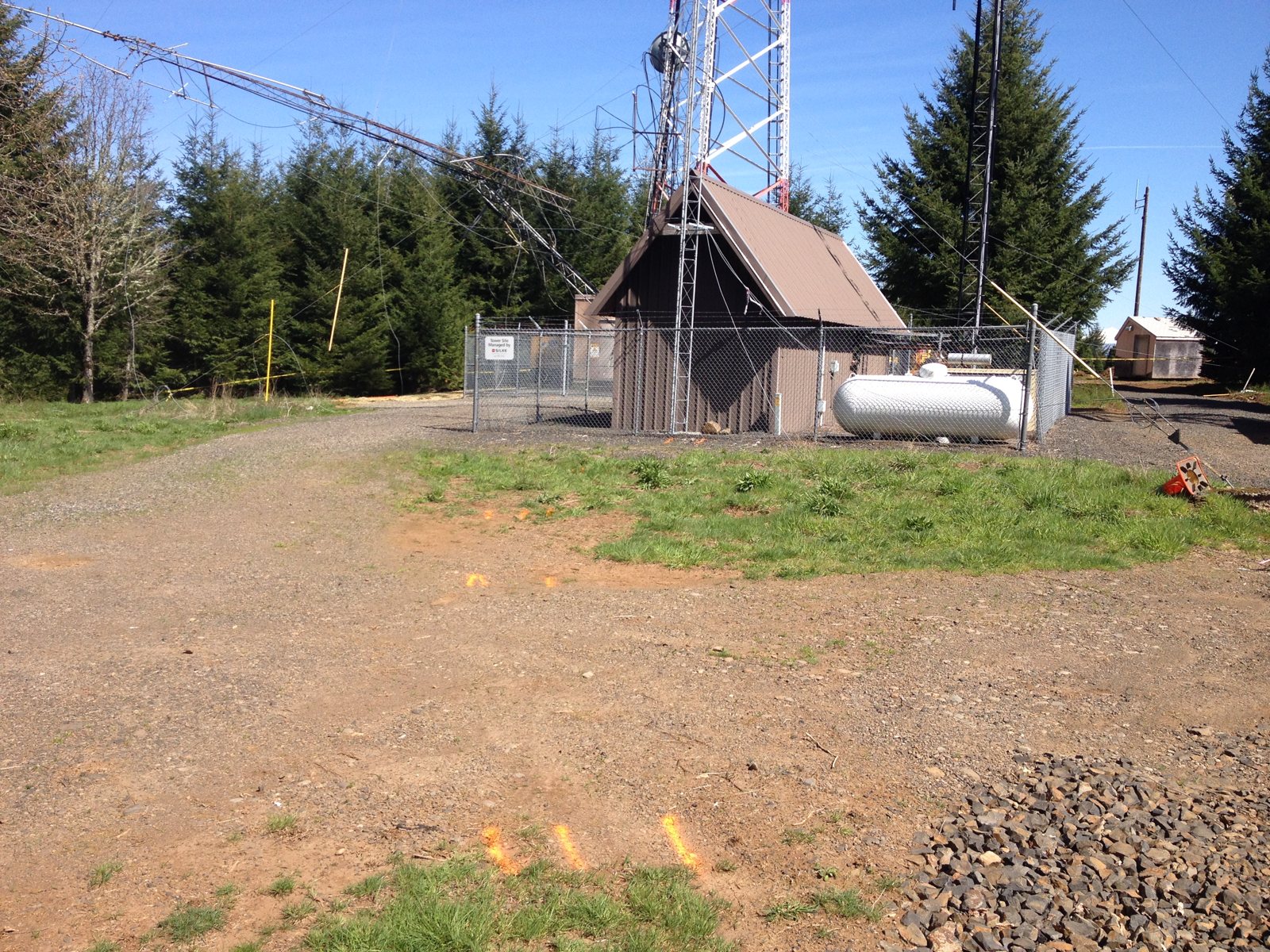
Our principals were on site the next day. We found anchor hardware that had slipped and pulled loose, and concluded that the standing tower could collapse at any time. Climbing it or taking it apart piece by piece would put crews at risk, so we recommended bringing it down in a planned collapse.
We wrote the demolition plan: pulling lines attached at the 40- and 80-foot guy levels, a truck winch run through a block in the driveway, and the back guy anchor cut as the line was pulled, so the tower would come down where it would do the least harm. The plan included a hazard table covering falling debris, wind limits, road closure, shutting off power and fuel, and protection for the neighboring compounds.
We then evaluated the existing foundations and anchors. With signs of movement, unusual hardware and no original construction documents, we recommended replacing them rather than trying to reuse them. For the new 200-foot self-supporting tower, which carries emergency communications, we set the site-specific wind and seismic criteria and the antenna loading for the tower vendor, coordinated the geotechnical investigation, reviewed the tower and foundation submittals, and took the project through land use and permitting.
Linn County approved the conditional use permit for the replacement tower in April 2014 and issued the building permit that May. Two damaged towers were replaced by a single, taller tower designed for the site’s current loads.
Near Westfir: survey, site design, land use and Forest Service coordination for a new 100-foot tower beside an existing compound on Dead Mountain.
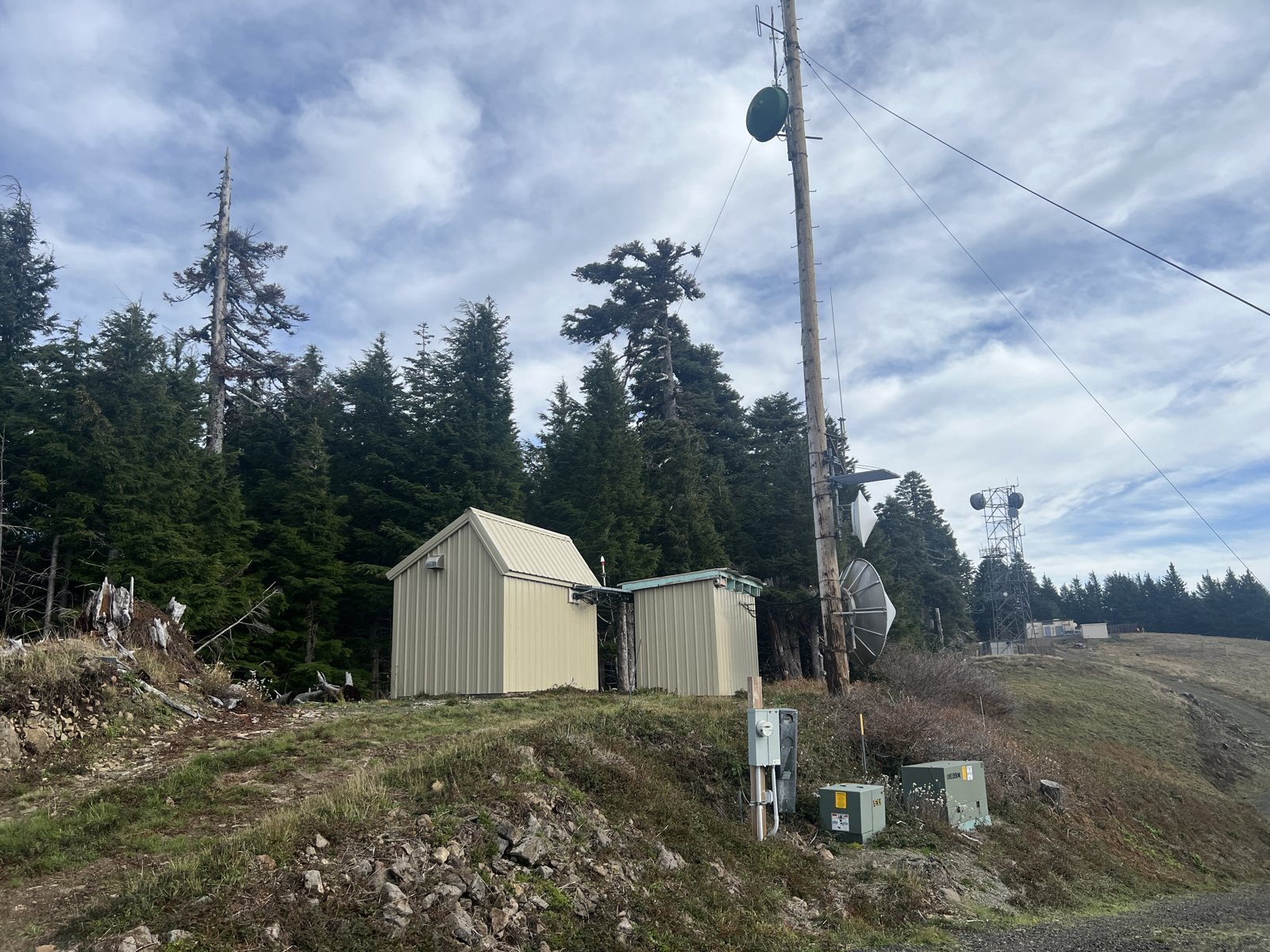
Corvallis: a new 100-foot self-supporting steel tower replacing a decaying wood antenna pole on Marys Peak, taken through public land use approval and permit submittal.
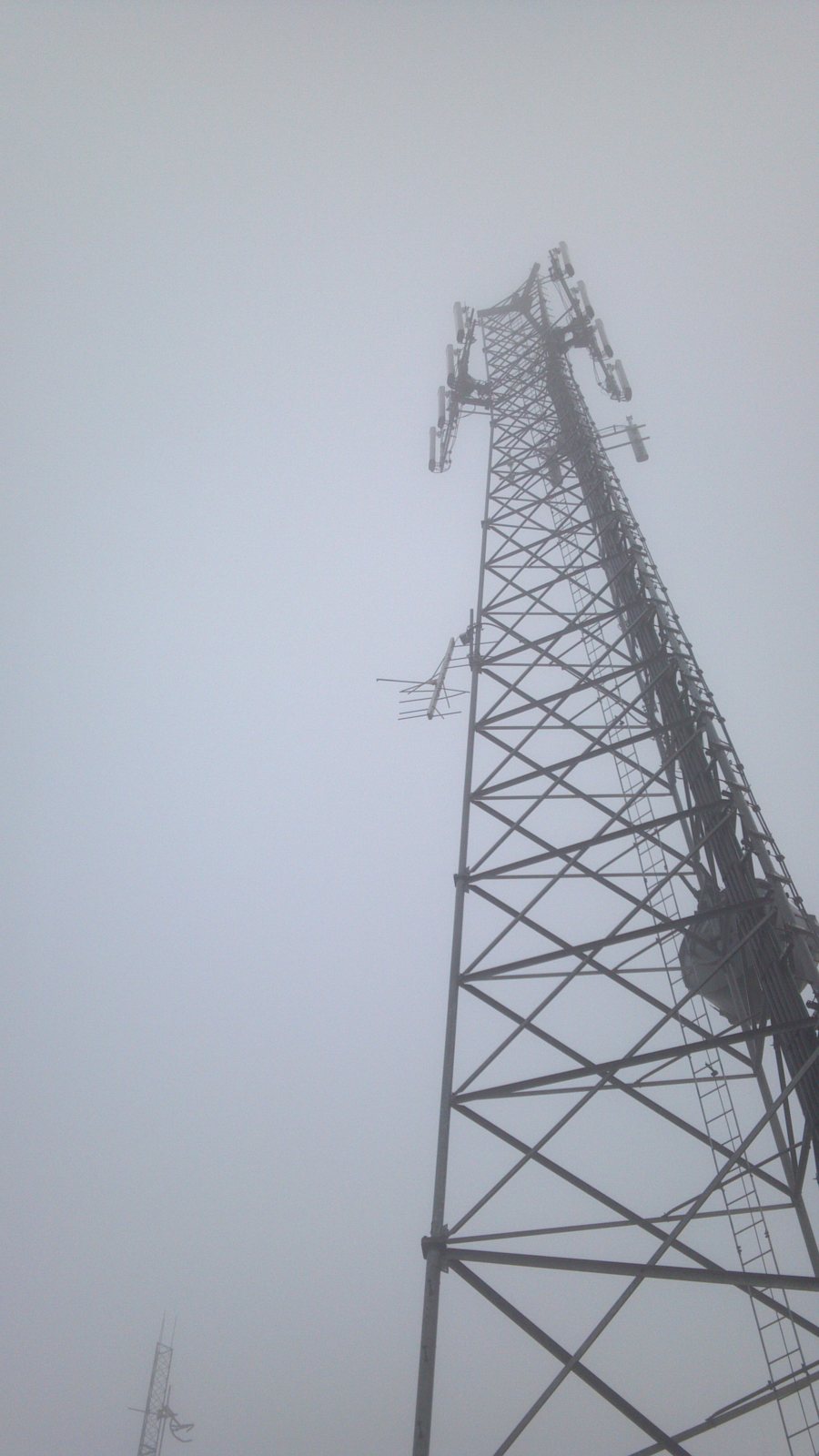
Otter Rock: foundations for a new 150-foot tower built around a working one, so the antennas stayed on the air during the changeover.
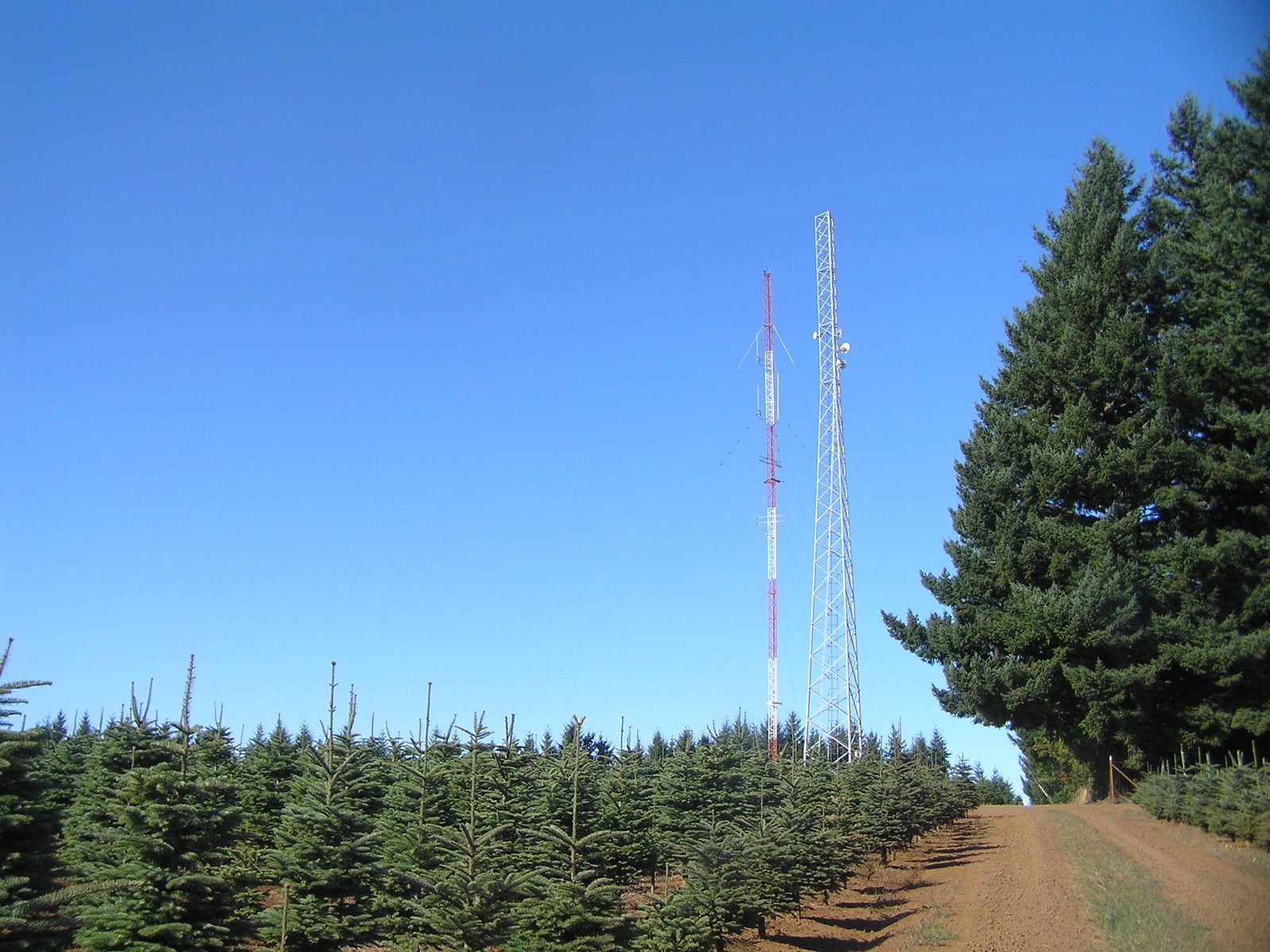
West Salem: a 200-foot guyed tower with rusted-through legs replaced by a new self-supporting tower on a mat foundation we designed and then certified.
Near Westfir: survey, site design, land use and Forest Service coordination for a new 100-foot tower beside an existing compound on Dead Mountain.
Corvallis: a new 100-foot self-supporting steel tower replacing a decaying wood antenna pole on Marys Peak, taken through public land use approval and permit submittal.
Otter Rock: foundations for a new 150-foot tower built around a working one, so the antennas stayed on the air during the changeover.